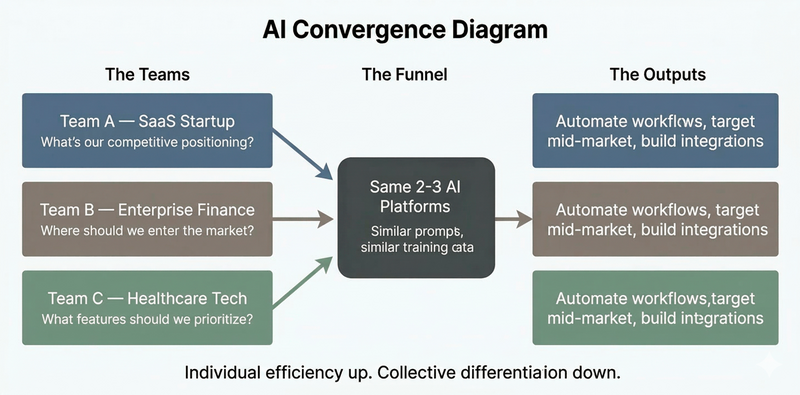
AI tools boost individual productivity but reduce collective originality. Research shows teams using the same AI platforms converge on the same ideas which is growing competitive risk.

AI coding tools feel like they're working, but the data says otherwise. The best engineers aren't coding faster — they're asking better questions.

Cloud migrations, CDO hiring sprees, and AI pilots all followed the same pattern: unanimous agreement, then expensive reversals. Consensus is a warning sign.

An automated lighthouse on the Oregon coast taught me something about automation, human judgment, and the work that still matters most.
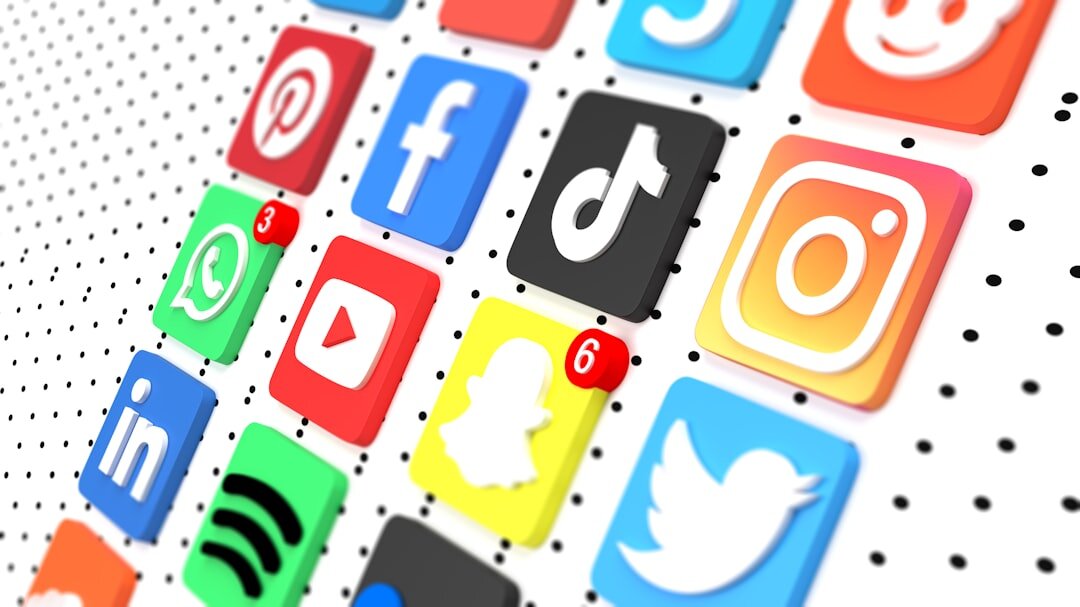
Your LinkedIn feed isn't market intelligence — it's curated noise. How social media echo chambers distort executive decision-making.
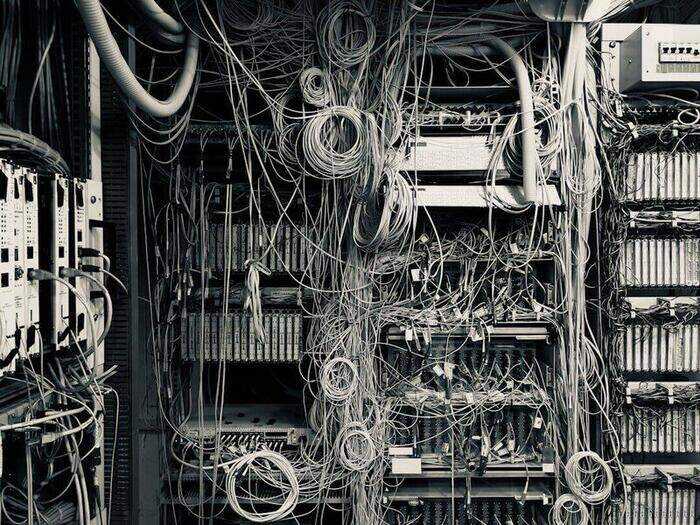
An AI architect posted 'Naive RAG sucks' with no explanation. When experts stop explaining trade-offs, leaders make million-dollar decisions on opinions.

Everyone's impressed by what AI can produce. But flashy outputs aren't business outcomes — and confusing the two is an expensive trap.

AI can generate answers, but subject matter experts validate them. In the AI era, deep domain knowledge is more valuable than ever — not less.
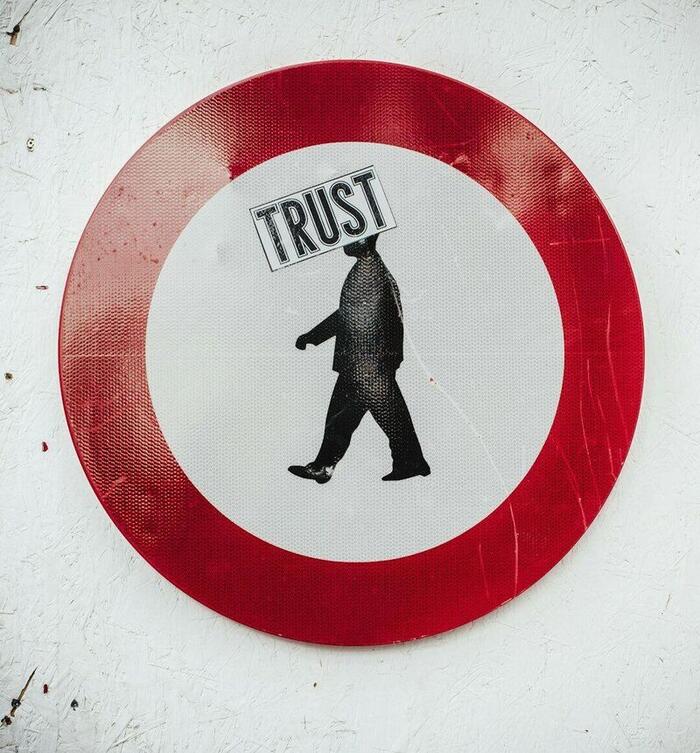
AI's real value comes from rigorous verification, not blind trust. Critical thinking and validation separate useful AI from expensive mistakes.

My grandfather fed hogs with leftovers nobody wanted. In business, your messy, raw data is the same kind of 'slop' — and AI can turn it into insight.

AI has vast knowledge but zero wisdom. Here's why that gap matters and why human judgment, context, and experience remain irreplaceable.

As we delegate more decisions and emotional labor to AI, we risk losing compassion, empathy, and connection. AI should be a partner, not a replacement.

LLMs aren't creative — they're enhancers. Like Lightroom for photography, AI tools help you do what you do better, not replace the work itself.

People are blindly trusting AI outputs without questioning them. Here's how to maintain critical thinking while leveraging AI effectively.
I'm an avid reader. I tend to read a few books at a time (I read one depending on my 'mood' at the time). The other day, I was scrolling through the
The last book from my 'vacation reading list" is Think Better: An Innovator's Guide to Productive Thinking by Tim Hurson. Some of you may remember a brief
I just started reading "Think Better: An Innovator's Guide to Productive Thinking" by Tim Hurson. I just started Chapter 3 and have become amazed that I
Jack's Notebook, written by Gregg Fraley, is a business novel in the same vein as those by Patrick Lencioni and Eli Goldratt. This book uses a fictional
Question: Want to know one of my pet peeves (hint: re-read the title of this post)? Answer: Linear Thinking (Books on Linear Thinking). What is linear
Like what you're reading?
Get new issues delivered to your inbox. One idea per issue, no spam.