
I watched a company burn $1.3M on AI while their data lived in 12 disconnected systems. Your AI project is doomed without a data foundation.

Anthropic analyzed 4M+ AI conversations to reveal where AI actually gets used. The data shows augmentation wins over automation, 57% to 43%.
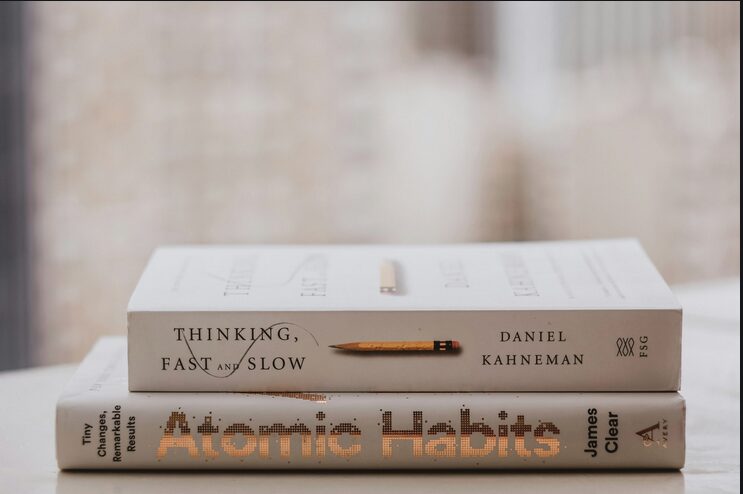
AI is only as good as your data. Without strong data habits — governance, quality, and ownership — even the best AI systems will fail.

NLP is the real technology behind LLMs, and it's quietly reshaping customer engagement. From chatbots to sentiment analysis, here's why it matters.

Drowning in data but starving for insights? A no-nonsense guide to machine learning techniques that turn business data into better decisions.

LLMs can transform customer service, content, and research — but they hallucinate, lack reasoning, and need guardrails. A balanced guide for leaders.

RLHF is how AI learns from human preferences. Here's how Reinforcement Learning from Human Feedback reshapes business decisions and customer experience.
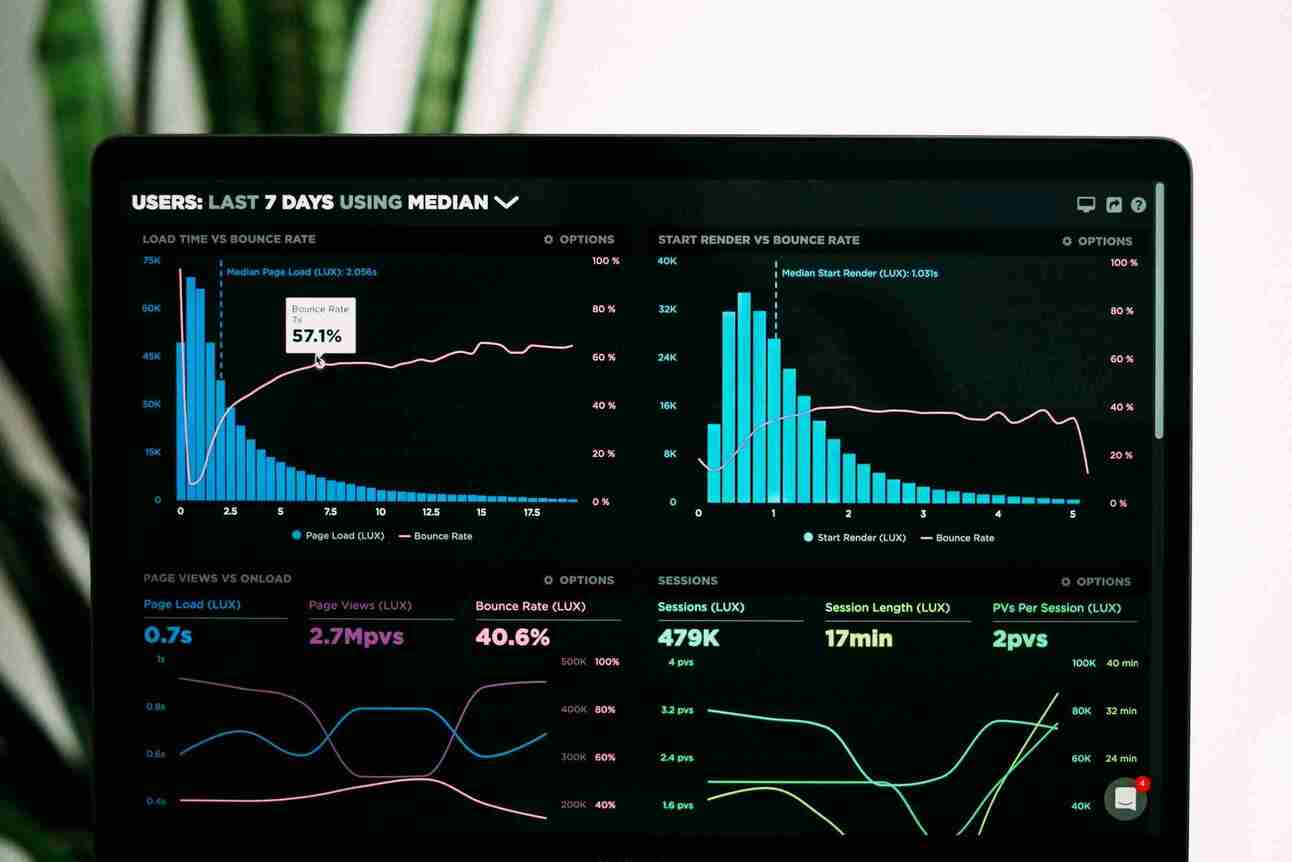
Data literacy is the foundation of successful AI. Without it, your team can't interpret outputs, spot biases, or make informed decisions.

Data literacy implementation is harder than it sounds. Here's how to overcome resistance, convince leadership, calculate ROI, and measure success.
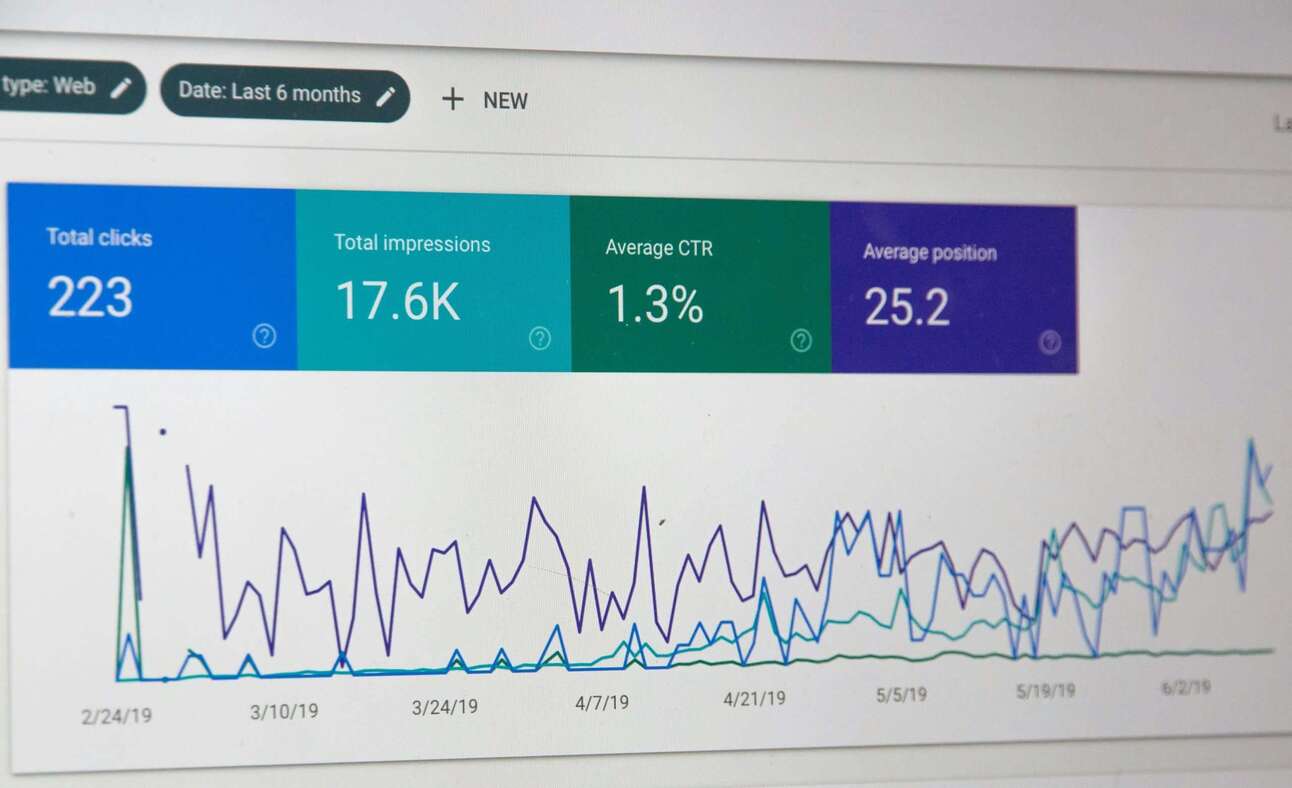
Data literacy on a shoestring budget, industry-specific strategies, ethics in AI, and real success stories. Practical Part 2 of the series.

Brilliant technical work gets ignored because it's presented wrong. Here's how data scientists bridge the gap to business leadership.

Most companies hoard data without using it. Building a data-first culture means connecting data to decisions — here's how to make the shift.
In a post titled Data Mining - A Cautionary Tale, I share the idea that data mining can be dangerous by sharing the story of Cornell's Brian Wansink, who
Want to be a data science rockstar? of course you do! Sorry for the clickbait headline, but I wanted to reach as many people as I can with this important
When analyzing data, one of the best (and worst) things you can do is data mining. When done right, its great but when done wrong, beware the data mining.
The role of Chief Data Officer plays a critical role in data-driven transformation. But only if they’re set up to succeed.
Just because your machine learning or AI models look good on paper does not guarantee they will work in the real world.
I'm regularly asked about how to get started with big data. My response is always the same: I give them my big data roadmap for success.
When should deep learning be used? the answer isn't a simple one. The answer depends on the problem, data size and number of other factors.
Stop thinking about big data technologies. Think of ways to 'analyze, contextualize, internalize' your data instead.
When working with data, don't just find the answers to your questions. Keep digging and find new questions to ask.
Doing data science without 'science' is nothing more than throwing darts at a dart board and thinking the results are meaningful.
Spend the necessary time in the data modeling phase of your next data project and you may be surprised at the quality of the output of your data analytics.
Data preparation is extremely important to your data analytics / big data projects. Good data preparation can lead to good data analytics outcomes.
Data Analytics means different things to different people. I discuss prescriptive vs descriptive analytics and try to explain why you should care.
Video of my Doctoral Dissertation defense on using Twitter sentiment analysis for stock market decision making.
I'm a fan of data. I love using data to solve problems and find answers. I love combining context and data to help organizations find identify issues and
This is a cross-post from Trade The Sentiment. Originally published as Using Twitter Sentiment for Intraday Signals. While most of my research on Twitter
Like what you're reading?
Get new issues delivered to your inbox. One idea per issue, no spam.